
 Facebook
 LinkedIn
 WhatsApp
 X
X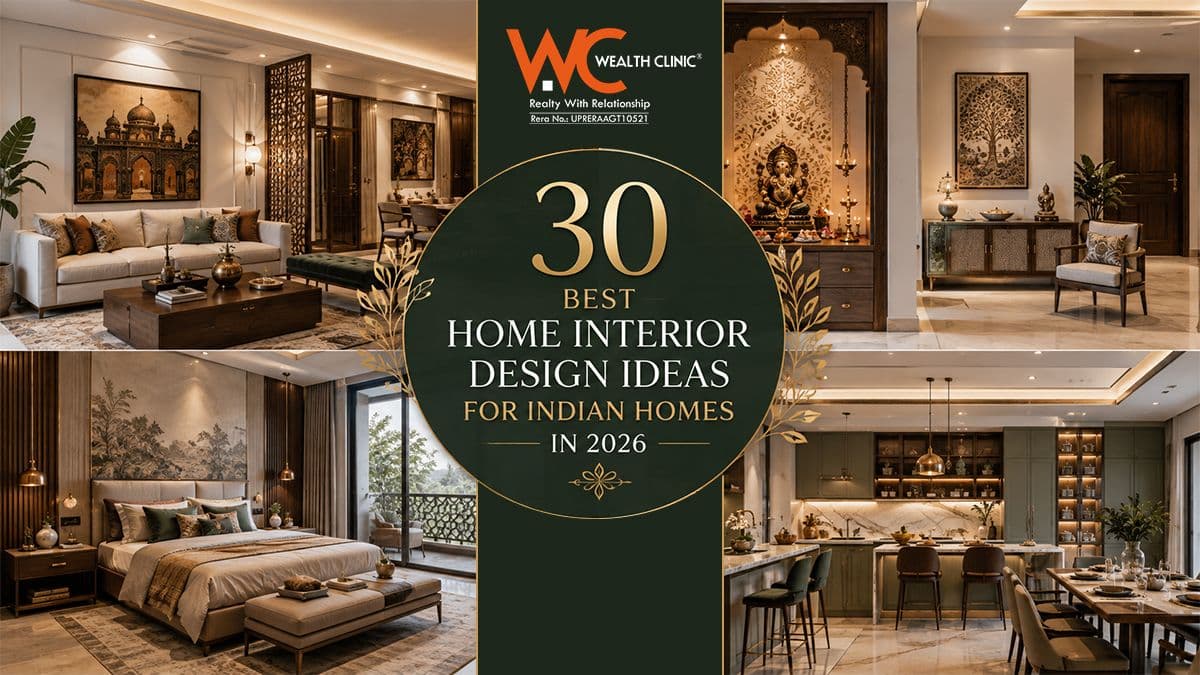
Your home is more than just a place to live. The right interior design can make an apartment feel larger, a compact room feel comfortable, and an ordinary space feel more personal. In 2026, Indian homeowners are increasingly looking for interiors that combine modern aesthetics, functionality, comfort, smart storage, and practical use of space.
Whether you own a 2 BHK apartment, a spacious 3 BHK, or a compact urban home, you don't always need an expensive renovation to create a beautiful interior. Choosing the right colours, furniture, lighting, layouts, and storage solutions can make a significant difference.
In this guide, I have covered 30 home interior design ideas for Indian homes in 2026, along with practical tips for different rooms and home sizes.
What Is Home Interior Design?
Home interior design is the process of planning and decorating the interior spaces of a home to make them functional, comfortable, visually appealing, and suitable for the homeowner's lifestyle.
It includes elements such as:
- Furniture and room layout
- Wall colours and finishes
- Lighting
- Flooring
- Kitchen and bathroom design
- Storage solutions
- Curtains and upholstery
- Decorative elements
- Indoor plants
- Smart-home features
A good interior is not only about making a home look beautiful. It should also make everyday living easier.
30 Best Home Interior Design Ideas for Indian Homes
1. Choose a Modern Minimalist Interior
Minimalist interiors continue to be popular in Indian homes because they create a clean and spacious appearance.
Instead of filling every corner with furniture and decoration, focus on essential pieces with simple designs. Neutral colours, clean lines, concealed storage, and uncluttered surfaces can make even a compact apartment look larger.
This style works particularly well for modern 2 BHK and 3 BHK apartments.
2. Use Warm Neutral Colours
Beige, cream, off-white, taupe, light grey, and earthy tones can create a warm and sophisticated atmosphere.
Instead of using bright colours throughout the home, consider neutral walls with colour introduced through cushions, rugs, artwork, curtains, or furniture.
Warm neutrals also work well with wooden furniture and natural materials.
3. Create a Statement Wall
A statement wall can give character to an otherwise simple room.
You can use:
- Textured paint
- Wallpaper
- Wooden panels
- Stone or marble finishes
- Decorative wall moulding
- Large artwork
The living room TV wall, bedroom headboard wall, and dining area are common places for a statement wall.
4. Invest in a Modular Kitchen
The kitchen is one of the most important spaces in an Indian home, making functionality particularly important. A modular kitchen can provide better organisation through dedicated cabinets, drawers, corner storage, pantry units, and overhead cabinets.
Depending on the available space, you can choose an L-shaped, U-shaped, parallel, straight, or island kitchen layout.
5. Make the Living Room the Focal Point
The living room is often the first space guests see, so its design can strongly influence the overall feel of your home. Start with a comfortable sofa and then build the room around it. Add a coffee table, rug, lighting, TV unit, artwork, and selected decorative elements.
Avoid using oversized furniture in a small living room because it can make the space feel crowded.
6. Use Multi-Functional Furniture
Multi-functional furniture is especially useful for apartments and compact homes.
Consider:
- Sofa beds
- Storage ottomans
- Beds with hydraulic storage
- Foldable dining tables
- Nesting tables
- Wall-mounted desks
- Storage benches
These pieces allow one area to serve multiple purposes without taking up unnecessary floor space.
7. Add More Smart Storage
Good storage is one of the easiest ways to improve an Indian home's functionality. Instead of adding multiple standalone cabinets, consider built-in or concealed storage. Use the space under beds, inside wardrobes, beneath window seats, above doors, and in unused corners.
A clutter-free home generally looks more spacious and organised.
8. Bring Wooden Elements Into the Interior
Wood adds warmth and texture to modern interiors.
You can introduce wooden elements through:
- TV units
- Wardrobes
- Dining tables
- Wall panels
- Shelving
- Doors
- Bed frames
For a contemporary look, combine wood with neutral walls, soft lighting, and minimal furniture.
9. Use Layered Lighting
Good lighting can completely change the appearance of an interior. Instead of relying only on one ceiling light, combine different types of lighting:
- Ambient lighting: Provides general illumination.
- Task lighting: Helps with activities such as cooking, reading, or working.
- Accent lighting: Highlights artwork, architectural features, shelves, or decorative walls.
Pendant lights, recessed lights, wall sconces, LED strips, and floor lamps can all be used strategically.
10. Add Indoor Plants
Indoor plants can bring freshness and natural texture into an apartment. Depending on the available sunlight, you can consider plants such as money plants, snake plants, areca palms, or other indoor varieties suitable for your environment.
Use plants selectively rather than overcrowding the room.
11. Design a Functional Pooja Room
A dedicated pooja area can be incorporated even in a compact apartment.
If you do not have a separate room, consider a small wall-mounted mandir, a partitioned corner, or a customised cabinet.
Wooden jaali panels, warm lighting, and simple shelves can create a peaceful space without requiring a large footprint.
12. Create a Comfortable Bedroom
The bedroom should prioritise comfort over excessive decoration. Choose a comfortable bed, practical bedside storage, suitable lighting, and calming colours. Soft fabrics, curtains, rugs, and warm lighting can make the bedroom feel more relaxing.
13. Use a Built-In Wardrobe
Built-in wardrobes can maximise vertical space while keeping the bedroom organised. You can customize the internal sections according to your needs, including hanging areas, drawers, shelves, shoe storage, and accessory compartments.
Floor-to-ceiling wardrobes can also reduce unused space above conventional cabinets.
14. Make Small Rooms Look Bigger
If you have a compact home, the right design choices can create the impression of more space.
Try:
- Light wall colours
- Large mirrors
- Minimal furniture
- Glass partitions
- Vertical storage
- Furniture with exposed legs
- Consistent flooring
- Good natural lighting
Avoid excessive patterns and bulky furniture in small rooms.
15. Design a Practical Balcony
A balcony does not need to remain an unused space. Depending on its size, you can create a small seating area with plants, a compact coffee table, outdoor lighting, and weather-resistant furniture.
For smaller balconies, vertical planters and foldable furniture can help save space.
16. Use Mirrors Strategically
Mirrors can reflect light and create the perception of a larger room. A large mirror opposite a window can help distribute natural light, while decorative mirrors can become a feature on a living-room or bedroom wall.
However, the placement should be intentional rather than simply adding mirrors everywhere.
17. Choose the Right Flooring
Flooring should complement both the interior style and your lifestyle. Popular options include:
- Vitrified tiles
- Ceramic tiles
- Marble
- Natural stone
- Wooden flooring
- Laminate flooring
- Vinyl flooring
For Indian homes, consider durability, maintenance, climate, budget, and the amount of daily use before selecting flooring.
18. Create a Dedicated Work-from-Home Corner
A dedicated workspace can be useful even if you do not have a separate study room. A compact desk can be placed in a bedroom, living room, balcony, or unused corner. Wall-mounted desks and floating shelves are particularly useful in smaller apartments.
19. Use Glass Partitions
Glass partitions can separate spaces without making the home feel closed. For example, a glass partition can visually separate a dining area from the living room or a home office from the bedroom. Fluted or frosted glass can provide additional privacy while maintaining a sense of openness.
20. Add Textured Walls
Textures can add depth to an otherwise plain interior. Popular options include:
- Fluted panels
- Microcement finishes
- Stone textures
- Wallpaper
- Decorative plaster
- Wooden slats
Use textures selectively so the room does not feel visually overwhelming.
21. Choose Curtains According to the Room
Curtains influence both the appearance and functionality of a room. Floor-to-ceiling curtains can make ceilings appear taller, while lighter fabrics can allow more natural light into the space.
For bedrooms, blackout curtains can be useful when you need greater control over light and privacy.
22. Create a Stylish TV Unit
The TV wall can become an important visual element in the living room. A modern TV unit can combine open shelves, concealed storage, wooden finishes, textured panels, and integrated lighting. Keep the design proportionate to the room instead of creating an oversized entertainment wall.
23. Use a Cohesive Colour Palette
A home generally feels more sophisticated when its rooms have some visual connection. Choose a base colour and complement it with one or two secondary shades.
For example, beige walls can work with wooden furniture, muted green accents, and warm lighting.
A consistent palette does not mean every room has to look identical.
24. Add Personal Decor
Your home should reflect your personality. Family photographs, artwork, travel souvenirs, books, handmade décor, and meaningful objects can make the space feel personal.
Instead of buying decorations simply to fill empty shelves, choose items that have visual or emotional value.
25. Design a Compact Dining Area
If you have limited space, you do not necessarily need a large dining table. Consider a four-seater table, wall-mounted dining table, extendable table, or breakfast counter depending on your layout. A pendant light above the dining table can create a defined focal point.
26. Use Smart Home Features
Smart-home technology is becoming increasingly relevant to modern homes. Depending on your requirements and budget, you can consider:
- Smart lighting
- Automated curtains
- Smart locks
- Video doorbells
- Smart thermostats
- Motion sensors
- Voice-controlled devices
The goal should be convenience and practical use rather than adding technology simply because it is available.
27. Consider Sustainable Materials
Sustainable interiors can combine aesthetics with responsible material choices. You can consider durable furniture, natural materials, energy-efficient lighting, low-maintenance finishes, and products with longer lifespans. Choosing quality over short-lived trends can also reduce the need for frequent replacement.
28. Use Vastu Principles Where They Matter to You
For homeowners who follow Vastu, interior planning can incorporate Vastu preferences alongside practical design requirements. Common considerations include room orientation, placement of the pooja area, kitchen location, entrance direction, and furniture placement.
However, Vastu preferences should be considered alongside ventilation, natural light, functionality, safety, and the actual layout of the property.
29. Create a Luxury Look Without Overspending
Luxury does not always require expensive materials. You can create a premium appearance through:
- Consistent colour schemes
- Quality lighting
- Simple furniture
- Large-format artwork
- Well-designed curtains
- Selective use of textures
- High-quality hardware
The key is to avoid visual clutter and focus on a few strong design elements.
30. Design According to Your Lifestyle
The best interior design is not necessarily the one that looks best in a magazine. It is the one that works for the people living in the home.
If you work from home, prioritise a comfortable workspace. If you have children, focus on durable and easy-to-clean materials. If you frequently entertain guests, create a comfortable living and dining area.
Your lifestyle should be the starting point for your interior decisions.
Home Interior Design Ideas for Small Indian Homes
Space is one of the biggest challenges for apartment homeowners in Indian cities. However, a smaller home does not mean you have to compromise on style.
For a compact 1 BHK or 2 BHK, focus on vertical storage, multifunctional furniture, light colours, mirrors, open shelving, and flexible layouts. For example, a storage bed can eliminate the need for an additional storage cabinet, while a foldable dining table can free up floor space when it is not being used.
The most important principle is to avoid overcrowding the home.
How Much Does Home Interior Design Cost in India in 2026?
The cost of interior design depends on several factors, including the size of the property, materials, furniture, kitchen and wardrobe requirements, design complexity, labour, and location.
A basic interior for a compact apartment can cost significantly less than a premium turnkey interior with customised furniture and high-end finishes.
Before starting, create a clear budget covering:
- Design fees
- Civil work
- Electrical work
- Kitchen
- Wardrobes
- Furniture
- Lighting
- Flooring
- Paint and wall finishes
- Décor
- Appliances
It is also sensible to keep a contingency amount for unexpected expenses.
How to Choose the Right Interior Design Style?
Before selecting furniture or colours, decide what type of atmosphere you want to create.
Some popular styles include:
- Modern: Clean lines, neutral colours, contemporary furniture.
- Minimalist: Simple layouts, limited décor, and clutter-free spaces.
- Contemporary: Current design trends combined with functional elements.
- Traditional: Rich materials, classic furniture, patterns, and decorative details.
- Modern Indian: Contemporary layouts combined with Indian materials, colours, artwork, and cultural elements.
You can also combine elements from different styles to create an interior that feels personal.
Common Home Interior Design Mistakes to Avoid
Even a large budget cannot guarantee a good interior if the planning is poor.
Avoid these common mistakes:
- Choosing furniture before measuring the room.
- Using too many colours.
- Ignoring storage requirements.
- Depending on a single light source.
- Buying oversized furniture for a small room.
- Following trends without considering practicality.
- Ignoring ventilation and natural light.
- Spending too much on décor while compromising functionality.
- Not planning electrical points in advance.
- Failing to keep a realistic renovation budget.
Final Thoughts
The best home interior design is a balance between appearance, comfort, functionality, and budget. Whether you are moving into a new apartment or renovating your existing home, small design decisions can make a significant difference.
In 2026, Indian homeowners have more options than ever, from modular kitchens and multifunctional furniture to smart-home technology and sustainable materials. But you do not need to follow every trend.
Start with your home's layout and your lifestyle. Identify where you need more storage, better lighting, comfortable furniture, or improved functionality. Then choose colours, materials, and décor that complement those requirements.
A well-designed home should not simply look good—it should make everyday life easier and more comfortable.
Frequently Asked Questions

Disclaimer
Wealth Clinic is a real estate consulting and marketing company offering property advisory services to homebuyers and investors. Project details, pricing, layouts, specifications, and availability are provided by respective developers or publicly available sources and may change without notice. Wealth Clinic does not own or develop the listed projects and acts solely as a consulting partner. All bookings and agreements are between the buyer and the respective developer. Buyers are advised to verify project details, RERA registration, pricing, approvals, and legal documents with the developer before making any purchase or investment decision.