How Is Wellness Real Estate Changing the Concept of Modern Living?

 Facebook
 LinkedIn
 WhatsApp
 X
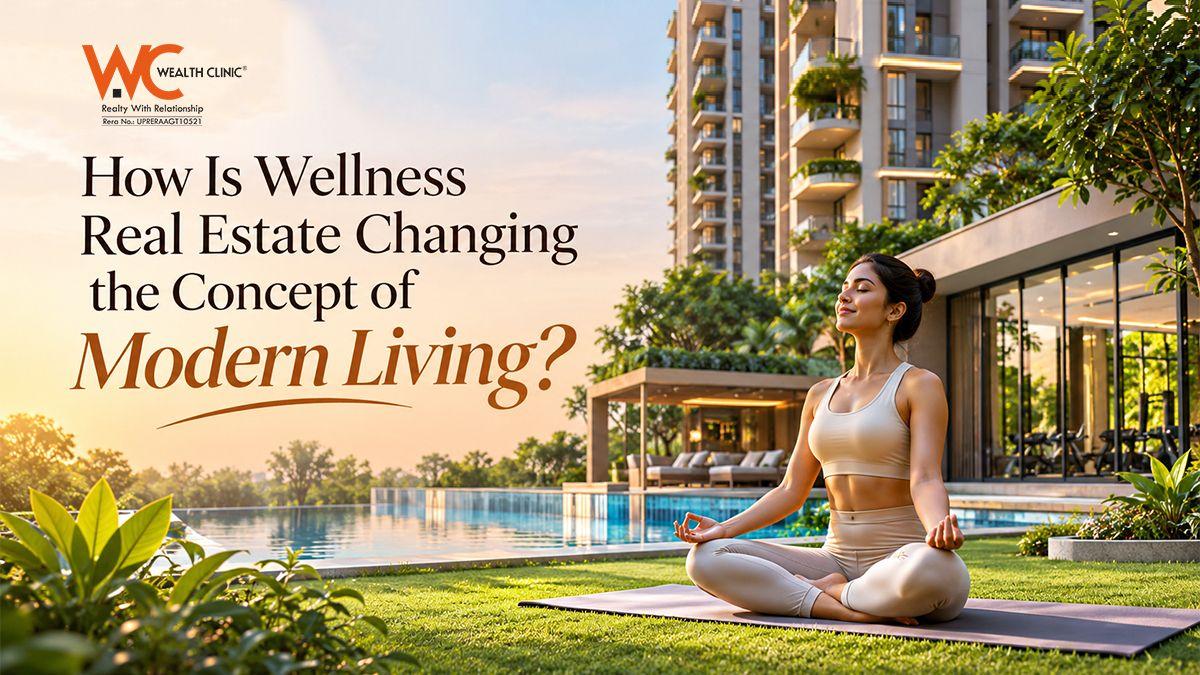
What a dream home means is evolving. The primary factors people would take into account before deciding on a home were its location, its size, its connectivity, modern amenities, and its property price, as it were. These are still important today, but more important than ever to homebuyers is a more meaningful lifestyle: a peaceful place, a healthier environment and a life that lets them slow down and enjoy life every day.
People are not only busier but they are spending more time on screens, in traffic and on the job, making them more aware of the impact on their well-being. They're seeking homes where they can unwind after a long day, where they can enjoy time with their families, where they can enjoy a healthier lifestyle, where they can feel a sense of nature.
This shift in preference is making wellness real estate a hot topic. It's a change in the real estate industry, where residential spaces are now being developed to not only provide comfort, but to afford physical, mental and emotional health.
Explore Properties in Yamuna Expressway | Book a Free Consultation
What Is Wellness Real Estate?
Wellness real estate is property and development of residential property that is developed with the focus on the wellness, comfort and overall quality of life of the residents.
In traditional real estate development, factors such as location, construction quality, pricing and amenities are typically the priorities. Wellness in real estate, however, extends beyond that to how the design, environment and facilities of a home impact daily life.
A wellness property can consist of:
- Green landscapes and gardens, open spaces.
- Good natural light and ventilation.
- Trails for walking, jogging and bicycling.
- Yoga and Meditation rooms.
- Fitness centres and recreational facilities.
- Improvements for indoor air and water quality.
- Peaceful outdoor seating and relaxation areas.
- Infrastructure that is sustainable and energy efficient.
Real estate wellness is just about as straightforward as it gets: a home ought to be more than a place to come back to at the end of the day. It should be a place where individuals can feel comfortable, relaxed and a part of a healthier lifestyle.
Why Is Wellness in Real Estate Becoming Important?
The lifestyle of the modern times has undergone a great transformation. Work, travel and home duties are arduous and take a lot of time. This makes it harder and harder to have time for exercise, relaxation, and family.
This is changing people's perceptions of residential properties.
Many homebuyers are looking at a house's interior and exterior features and location to see that a great home has more than just what meets the eye. They also look for opportunities in the environment to exercise, relax, enjoy nature and have a balanced routine.
Here are some of the reasons why wellness is emerging as a consideration in real estate.
1. The Growing Demand for Peaceful Living
People want their homes to be a place of tranquility after hours and hours of work pressure, traffic, etc. and everyday activities.
The greenery, open spaces and landscaped gardens around a residential property can offer opportunities to relax and enjoy the outdoors.
Everyday living can be made more enjoyable through features like meditation gardens, quiet seating areas and walking paths.
Today's home buyers want to feel safe as part of a wellness lifestyle real estate.
2. Healthier Homes Are Getting More Attention
A healthy living environment starts with the space people spend most of their time in.
Natural light, proper ventilation, thoughtfully planned layouts, and access to outdoor spaces are becoming important considerations when choosing a wellness property.
Developers are increasingly exploring design approaches that improve indoor comfort and create stronger connections between residential spaces and nature.
These features can contribute to a more comfortable living environment while encouraging healthier everyday habits.
3. Work-Life Balance Is Changing Residential Preferences
The growth of remote and hybrid working has changed how people use their homes.
A home is now expected to support professional responsibilities as well as personal activities. Homebuyers are looking for dedicated workspaces, quiet corners, fitness facilities, and recreational areas within their residential communities.
This shift is encouraging developers to create homes and communities that support a more balanced lifestyle.
4. Families Are Looking Beyond Traditional Amenities
Earlier, amenities such as swimming pools, clubhouses, and gyms were considered major attractions in residential projects.
Today, buyers are also interested in how these facilities contribute to their everyday routines.
A walking track provides space for daily exercise, a landscaped garden offers an opportunity to spend time outdoors, and a yoga area encourages residents to make time for relaxation.
The focus is gradually shifting from simply having more amenities to having facilities that genuinely improve the residential experience.
Explore Properties in Yamuna Expressway | Book a Free Consultation
How Is Wellness Lifestyle Real Estate Changing Modern Living?
The growing interest in wellness lifestyle real estate is influencing residential architecture, community planning, and the overall homebuying experience.
Instead of treating wellness as an additional luxury, developers are increasingly considering it during the early stages of project planning.
Some important developments include:
1. Nature-Inspired Residential Design
One of the most visible changes in wellness real estate is the increasing importance of nature-inspired architecture.
Residential developments are exploring landscaped courtyards, green balconies, rooftop gardens, open spaces, and natural materials.
Biophilic design, which focuses on connecting people with nature through architecture, is also becoming an important concept in modern residential planning.
The objective is to make greenery and natural elements part of everyday life rather than something residents have to travel outside their communities to experience.
2. Dedicated Spaces for Fitness and Recreation
Wellness-oriented residential projects often include facilities that encourage residents to remain physically active.
These may include:
- Jogging and cycling tracks.
- Outdoor fitness zones.
- Yoga and meditation decks.
- Swimming pools.
- Sports courts.
- Children's play areas.
Having these facilities within a residential community can make it easier for residents to include physical activities in their daily routines.
3. Spaces Designed for Mental Relaxation
Physical fitness is only one aspect of wellness. Mental relaxation and emotional comfort are equally important.
Modern wellness properties may include quiet gardens, meditation spaces, reading corners, and peaceful outdoor seating areas.
Such spaces allow residents to take a break from their daily schedules, spend time alone, or connect with family and friends.
4. Sustainable and Environment-Friendly Development
Sustainability is closely connected with the future of wellness in real estate.
Features such as rainwater harvesting, energy-efficient lighting, waste management, water-saving fixtures, and native landscaping can support responsible resource management.
These practices can also contribute to more comfortable and environmentally conscious residential communities.
However, homebuyers should evaluate the actual sustainability measures implemented in a project instead of relying only on promotional claims.
What Is Driving the Growth of the Wellness Real Estate Market?
The wellness real estate market is attracting attention as homebuyers increasingly connect their residential choices with their quality of life.
Several factors are contributing to this growing interest.
Changing homebuyer expectations: Buyers are considering green surroundings, open spaces, natural light, and lifestyle facilities alongside conventional property features.
Growing awareness of well-being: People are becoming more conscious of the importance of physical activity, mental relaxation, and healthy surroundings.
Premium lifestyle preferences: Luxury homebuyers are exploring residential developments that offer more than premium interiors and conventional amenities.
Sustainable residential planning: Developers are paying greater attention to energy efficiency, green landscapes, ventilation, and responsible resource management.
Demand for integrated communities: Homebuyers increasingly appreciate residential environments where fitness, recreation, relaxation, and everyday convenience are available within the same community.
These factors are creating opportunities for developers to introduce residential concepts that combine modern infrastructure with wellness-oriented living.
Is Wellness Property the New Definition of Luxury Living?
Luxury real estate has traditionally been associated with premium architecture, designer interiors, exclusive clubhouses, and high-end facilities.
However, the meaning of luxury is gradually evolving.
For many buyers, luxury now also means waking up to greenery, enjoying natural sunlight, having space to relax, and living in a peaceful environment.
This is where wellness property is creating a different dimension of premium housing.
Imagine starting your morning with a walk through landscaped gardens, spending some time practising yoga, working in a comfortable home environment, and relaxing with your family in an open community space.
These everyday experiences are becoming an important part of how some homebuyers define a premium lifestyle.
The emphasis is moving beyond how impressive a property looks towards how comfortably people can live in it.
What Should Homebuyers Consider Before Buying a Wellness Property?
While wellness-focused residential developments offer an attractive lifestyle proposition, buyers should carefully examine the actual features of a project before making a decision.
Here are some important factors to consider:
1. Location and Surroundings: Check the surrounding environment, traffic movement, noise levels, greenery, and access to essential services.
2. Natural Light and Ventilation: Evaluate apartment layouts, window placement, ventilation, and the availability of natural daylight.
3. Genuine Wellness Amenities: Check whether walking tracks, fitness centres, yoga areas, meditation spaces, and gardens are practically designed and accessible.
4. Construction and Maintenance Quality: Understand the construction specifications, water management systems, building maintenance plans, and overall quality.
5. Connectivity and Daily Convenience: A peaceful home should also offer reasonable access to schools, hospitals, workplaces, shopping centres, and transport facilities.
6. Developer Credibility and Legal Approvals: Verify the developer's track record, RERA registration where applicable, approved plans, project documents, and possession details.
A good wellness property should offer a practical balance between a healthier residential environment and everyday convenience.
What Is the Future of Wellness Real Estate in India?
The Indian real estate market is gradually responding to changing homebuyer expectations. Along with location, price, and connectivity, buyers are showing greater interest in green spaces, fitness facilities, open surroundings, and lifestyle-oriented residential communities.
This is creating opportunities for wellness real estate to become an important part of future residential development.
Nature-rich destinations, emerging residential corridors, and planned communities may attract buyers looking for a more peaceful lifestyle. However, their residential appeal will also depend on infrastructure, healthcare access, connectivity, environmental planning, and long-term development.
Developers who understand these changing expectations may increasingly focus on creating residential spaces that combine thoughtful architecture, sustainable planning, and wellness-oriented facilities.
In the coming years, wellness may gradually move beyond being an exclusive feature of luxury housing and become a more important consideration across different residential segments.
Conclusion
The concept of modern living is no longer limited to owning a beautiful apartment in a well-connected location. People increasingly want homes that offer peace, comfort, greenery, and opportunities to maintain a healthier lifestyle.
Wellness real estate reflects this changing mindset by bringing together nature-inspired design, sustainable development, fitness facilities, and spaces for relaxation.
Ultimately, the future of residential living may not be defined only by the size of a home or the number of amenities it offers, but also by how well it supports the everyday well-being of the people living in it.
Frequently Asked Questions

Disclaimer
Wealth Clinic is a real estate consulting and marketing company offering property advisory services to homebuyers and investors. Project details, pricing, layouts, specifications, and availability are provided by respective developers or publicly available sources and may change without notice. Wealth Clinic does not own or develop the listed projects and acts solely as a consulting partner. All bookings and agreements are between the buyer and the respective developer. Buyers are advised to verify project details, RERA registration, pricing, approvals, and legal documents with the developer before making any purchase or investment decision.
